Understanding Community Health: Bridging Disparities and Promoting Wellness
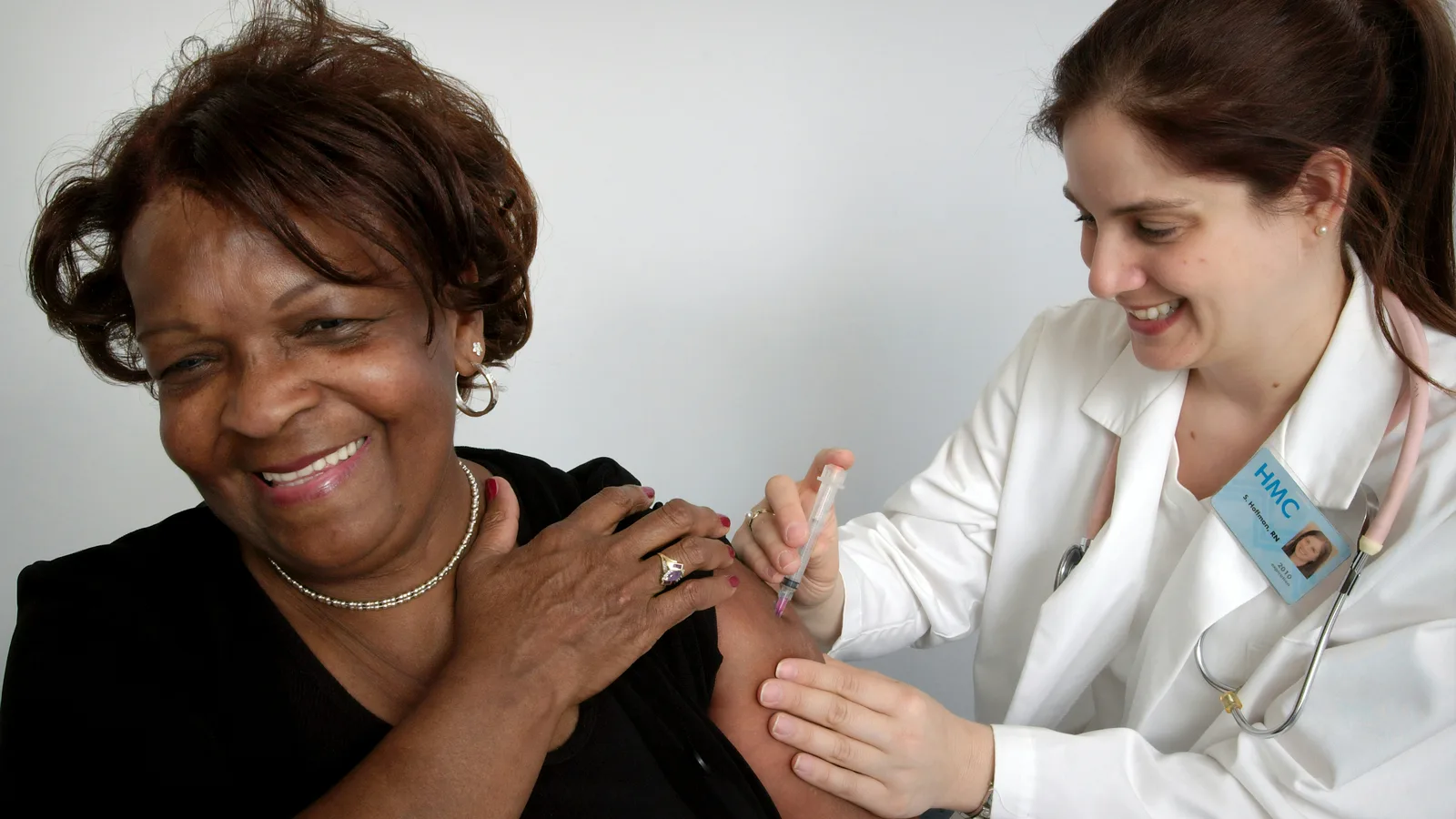
Community health plays a vital role in addressing health disparities and improving overall wellness. By focusing on social determinants of health and mental health exercises, communities can foster better health outcomes for all members.
What is Community Health?
Community health refers to the well-being of a defined group of people, including the efforts to protect and improve their health through organized activities and services. It addresses the physical, mental, and social health needs of individuals within a community, ensuring equitable access to care and resources.
Organizations like Community Health Partners and Legacy Community Health work tirelessly to provide care, education, and support aimed at enhancing health outcomes. These efforts are crucial in managing chronic conditions and promoting preventive care.
Addressing Health Disparities
Health disparities are differences in health outcomes across different population groups, often influenced by socioeconomic status, race, geography, and access to healthcare. These disparities contribute to unequal rates of chronic illnesses, such as heart disease and diabetes, within communities.
Efforts by institutions like Oak Street Health and Corewell Health focus on reducing these disparities by offering accessible healthcare services designed for underserved populations. Additionally, programs that consider social determinants of health—such as housing, education, and employment—play a significant role in mitigating these gaps.
Social Determinants of Health
Understanding social determinants is essential to improving community health. Factors like economic stability, neighborhood environment, and access to nutritious food can significantly impact an individual's health outcomes.
Health initiatives that integrate these determinants provide comprehensive care beyond clinical treatment, improving overall quality of life.
The Role of Mental Health in Community Well-being
Mental health is a critical component of overall wellness. Behavioral health programs and mental health exercises are instrumental in supporting individuals coping with stress, anxiety, and other challenges.
Organizations like Lifestance Health and Serenity Mental Health offer resources and therapies that emphasize the importance of mental health awareness and intervention. May is recognized as Mental Health Awareness Month, highlighting the need for continued focus on mental health promotion.
Practical Mental Health Exercises
- Mindfulness meditation to reduce stress
- Breathing exercises for anxiety management
- Regular physical activity to improve mood
- Journaling to process emotions
- Engaging in social support and community activities
Accessing Care Through Patient Portals and Health Networks
Technology has transformed how communities access healthcare. Patient portals such as MyChart Ohio Health, Novant Health MyChart, and Trinity Health MyChart offer convenient access to medical records, appointment scheduling, and communication with providers.
Health networks like United Health Care Provider Portal and Elevance Health streamline care coordination, ensuring patients receive comprehensive and timely services.
Home Health and Support Services
Home health aides and agencies provide vital support for individuals managing chronic conditions or recovering from illness. Services from organizations like Bayada Home Health Care and Adapt Health bring personalized care directly to patients' homes, promoting independence and comfort.
These services are increasingly important for aging populations and those requiring behavioral health support or rehabilitation.
Promoting Heart Health and Physical Wellness
Heart health remains a primary focus within community wellness efforts. Education about healthy lifestyles, nutrition, and regular screenings help reduce the risk of cardiovascular diseases.
Health clubs and fitness centers, such as Genesis Health Club, complement medical care by encouraging physical activity and healthy habits. Nutritional supplements and products like Crest Pro Health toothpaste contribute to oral and overall health maintenance.
Conclusion
Community health is a multifaceted approach to improving the well-being of populations by addressing medical care, mental health, social determinants, and wellness promotion. Through collaborative efforts among health organizations, providers, and community members, disparities can be reduced and a healthier future fostered.
Engaging in mental health exercises, utilizing patient portals, and accessing home health services are practical steps individuals can take to support their health journey within the community. Together, these efforts build a stronger foundation for equitable and comprehensive healthcare.